GitHub Octoverse 2026: How AI Agents Are Rewriting the Developer Tool Stack
GitHub's Octoverse 2026 data shows agent-driven development moving from experiment to infrastructure. Here is what the shift means for workflows, software choices, and teams.
In This Article
This article covers GitHub Octoverse 2026: How AI Agents Are Rewriting the Developer Tool Stack. GitHub's Octoverse 2026 data shows agent-driven development moving from experiment to infrastructure. Here is what the shift means for workflows, software choices, and teams.
Key Takeaways
- Published: November 3, 2026
- Category: Developer Tools
- Tags: GitHub, AI coding, developer productivity, software tools, technology trends
- Views: 55
- Reading time: ~13 min read
"GitHub's Octoverse 2026 data shows agent-driven development moving from experiment to infrastructure. Here is what the shift means for workflows, software choices, and teams."
Source: GitHub Octoverse 2026
GitHub's Octoverse 2026 report is less interesting as a leaderboard than as a map of where software work is moving. GitHub says the year ending September 30, 2026 reached new highs across the platform: 17.9 billion pushes, 34.3 billion commits, 45.4 billion Actions jobs, and roughly 1.3 billion merged pull requests. The report also describes agent-generated pull requests becoming a substantial share of activity.
The practical conclusion is not that every developer should hand their repository to an autonomous agent. It is that the developer tool stack now has to support a loop in which people define intent, agents produce candidate changes, and humans verify behavior. That changes what “a good tool” means.
The important shift is from chat to software delivery
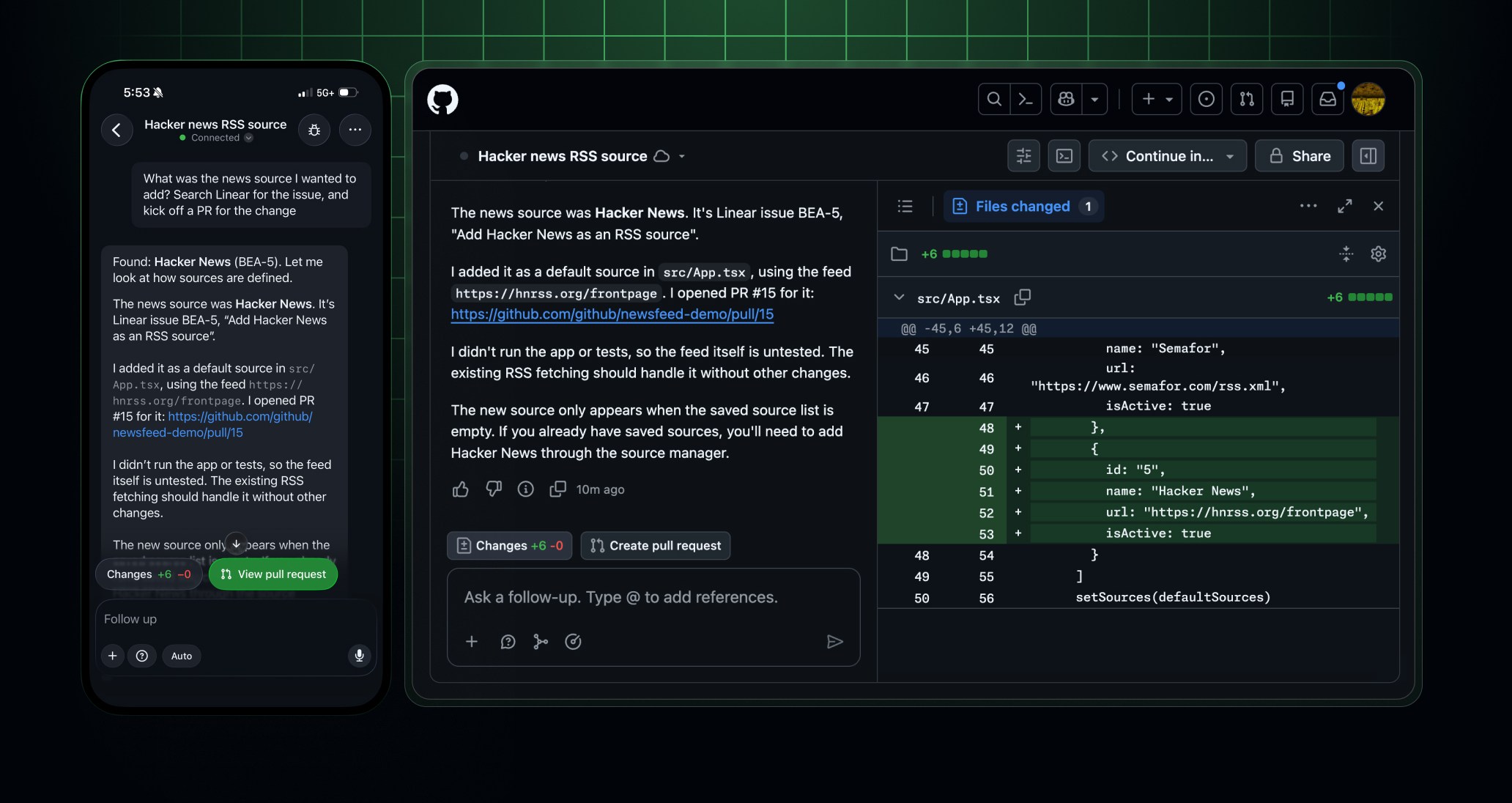
AI assistants used to be evaluated mainly by how well they answered questions in a chat window. Octoverse 2026 points toward a different test: can an agent create a reviewable change, run the right checks, explain its assumptions, and recover when a test fails? GitHub reports that agents started more than 110 million pull requests in September 2026 and that agent-generated pull requests grew sharply over the year.
Those numbers do not prove that agents replace engineers. They show that software teams are treating agents as participants in the delivery system. A useful setup therefore needs more than a model. It needs a capable editor, a reliable terminal, fast search, source control, test runners, and a clear review surface.
If you are rebuilding that setup, begin with the BTTC software catalog and compare tools by platform support, extension quality, offline behavior, and how easily they expose logs and diffs.
Why the surrounding tools matter more than the model name
GitHub's report says paid Copilot users used multiple models and that model selection became a normal part of the workflow. That makes model choice more fluid, but it also makes the surrounding interface more important. Developers need to know which model produced a change, what context it saw, what commands it ran, and where a human must take over.
A strong tool stack should provide four kinds of visibility:
- Context visibility: the agent can show the files, instructions, and repository rules used for a task.
- Execution visibility: commands, network access, tool calls, and failures are easy to inspect.
- Change visibility: diffs are reviewable before anything is merged or deployed.
- Cost visibility: teams can understand token use, model routing, and repeated retries.
This is why a fast code editor alone is not enough. The best workflow often combines an editor, a terminal multiplexer or task runner, a source-control client, and small utilities for comparing files, inspecting JSON, or checking images and documents.
Agentic development raises the value of verification
More generated code means more code that can look plausible while being wrong. The review bottleneck moves from typing to verification. Teams should make the following checks routine:
- run unit and integration tests in a clean environment;
- inspect the complete diff, including generated files and dependency changes;
- check authorization, data boundaries, and secrets handling;
- reproduce the reported behavior instead of trusting the agent's summary;
- record the command and tool versions used for important builds.
GitHub's growth in Actions jobs is relevant here. Automation only improves delivery when the checks are meaningful and the results are visible. A green pipeline is evidence, not a guarantee, so teams still need targeted tests for the risky parts of a change.
For individual developers, this suggests a simple rule: choose tools that make verification cheap. A tool that saves five minutes of typing but hides the diff can cost an hour during debugging.
What the language data means for tool selection
The Octoverse report highlights strong growth around TypeScript, Python, and Rust while established languages remain important. This is not a reason to chase the newest language. It is a reason to check whether your tools understand the languages your team actually ships.
Before adopting an AI coding product, test it on a small representative repository. Ask it to trace a request through the codebase, add a focused test, update documentation, and explain a failing build. Compare the results across your real languages and frameworks. Generic benchmark scores matter less than whether the tool respects your project conventions.
Also check the boring details: debugger support, formatter compatibility, remote development, container support, keyboard accessibility, and whether the product works on your operating system. A tool that handles a demo well but breaks your daily loop is not productive.
A practical 30-day adoption plan
During week one, define low-risk tasks such as documentation updates, test scaffolding, and small refactors. During week two, require every agent change to include a test or a written reason why no test is appropriate. During week three, measure review time, rework, failed builds, and accepted changes rather than counting generated lines. During week four, decide which tasks should remain human-led and which can be delegated with guardrails.
Keep a short log of prompts, failures, and successful patterns. That log becomes more valuable than a collection of clever prompt snippets because it captures repository-specific constraints. It also helps you decide whether a new editor, terminal, or code-review utility will improve the system.
Frequently asked questions
The full report is available from GitHub's Octoverse 2026 analysis. For more software discovery and downloadable tools, browse BTTC Blog and the software directory.