GitHub HydraFusion Shows Where AI Coding Tools Are Going Next
GitHub's HydraFusion research preview points to a practical future for AI coding: multiple specialized agents, model routing, and safer orchestration instead of one giant assistant for every task.
In This Article
This article covers GitHub HydraFusion Shows Where AI Coding Tools Are Going Next. GitHub's HydraFusion research preview points to a practical future for AI coding: multiple specialized agents, model routing, and safer orchestration instead of one giant assistant...
Key Takeaways
- Published: September 6, 2026
- Category: AI Developer Tools
- Tags: AI coding, GitHub Copilot, developer tools, automation, software productivity
- Views: 258
- Reading time: ~13 min read
"GitHub's HydraFusion research preview points to a practical future for AI coding: multiple specialized agents, model routing, and safer orchestration instead of one giant assistant for every task."
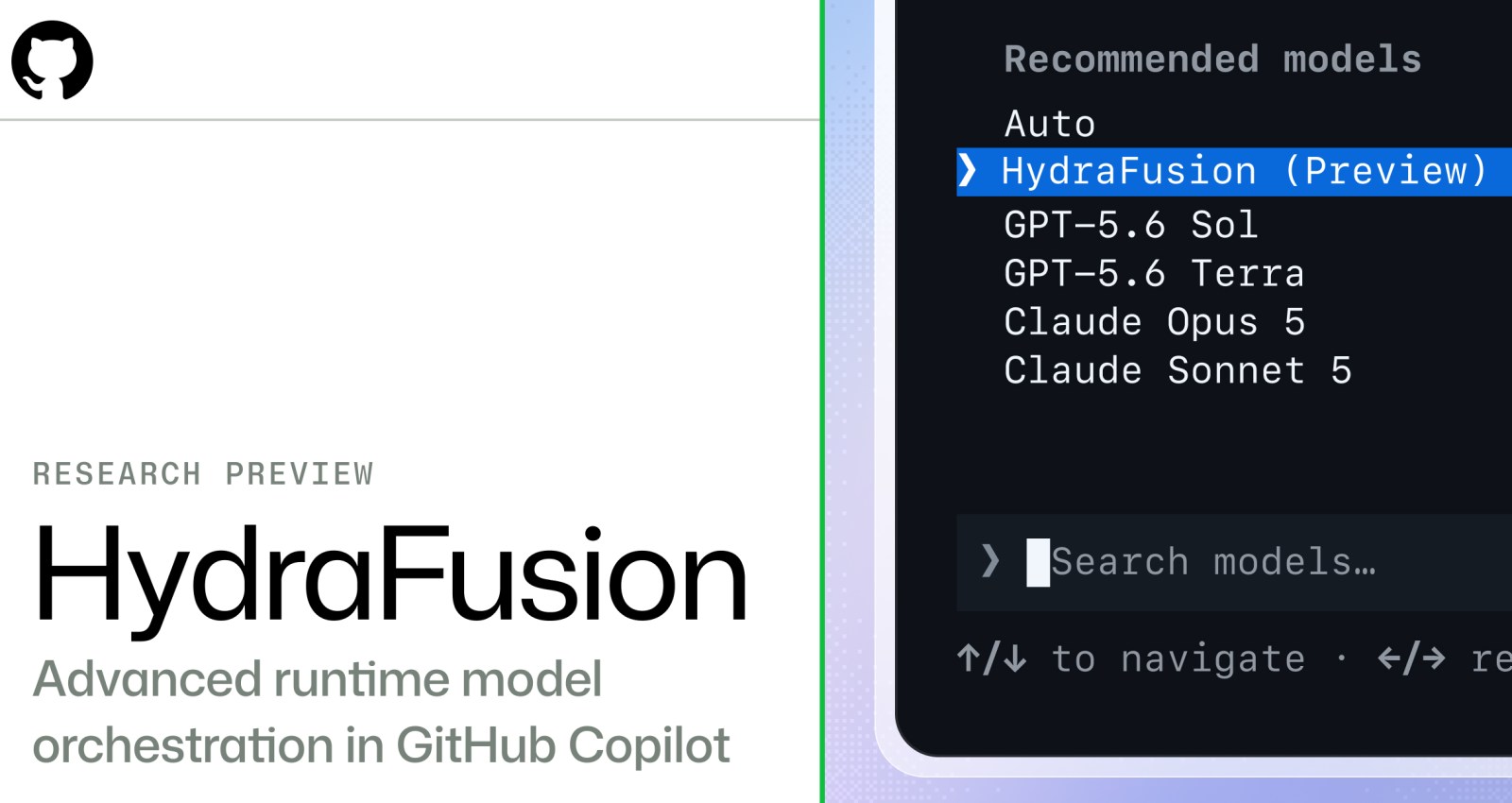
GitHub's new HydraFusion research preview is more than another feature announcement for Copilot. It is a signal that AI coding tools are moving from single-model chat assistants toward orchestrated systems that choose the right model, agent, and workflow for each programming job. According to the GitHub Blog, HydraFusion uses selective coding workflows and multi-model orchestration to reach frontier-quality results in controlled evaluations while reducing estimated workflow cost. For developers, indie makers, and software teams, that matters because the next productivity leap will not come only from bigger models. It will come from better routing, verification, and tool choice.
TL;DR: HydraFusion is about orchestration, not just intelligence
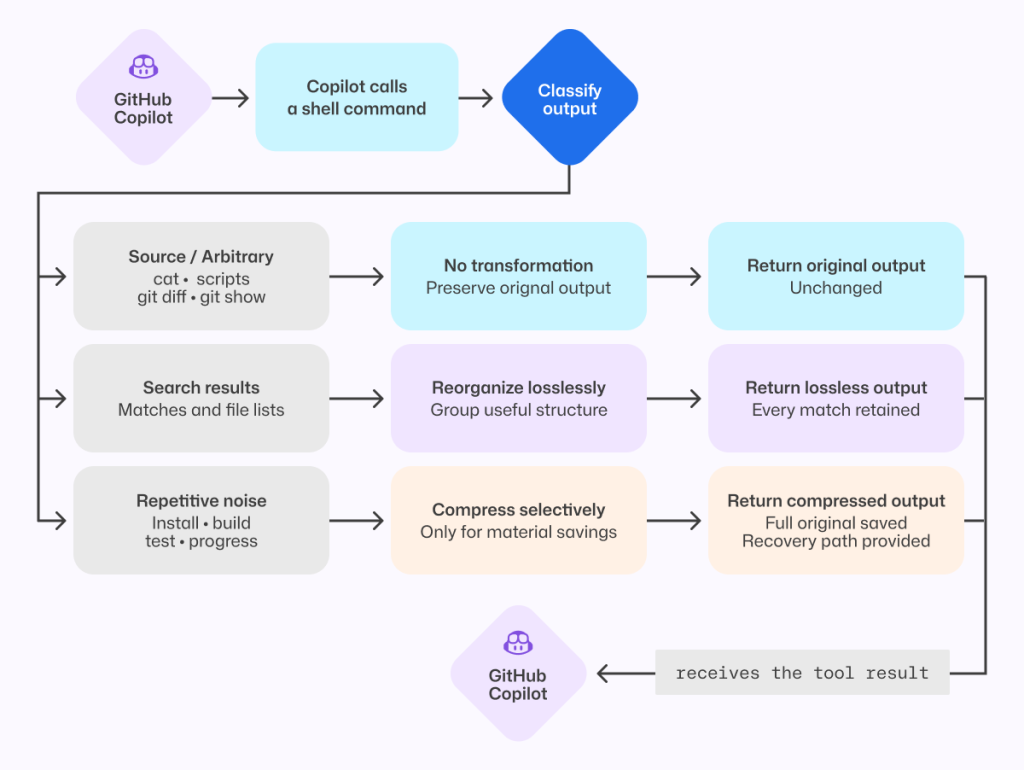
HydraFusion points toward a future where an AI coding assistant can break a task into smaller decisions, select different model paths, run agents safely, and balance quality against cost. That is different from asking one general assistant to write every line of code. A multi-model system can use a fast model for simple edits, a stronger model for architecture, and a verification step for risky changes. The result is a more practical workflow for teams that care about shipping software, not just generating impressive demos.
This shift also changes how developers should evaluate tools. Instead of asking, "Which model is smartest?" the better question becomes, "Which workflow consistently produces correct changes with the least review burden?" BTTC readers who compare useful apps and developer utilities can start from the curated software directory and look for tools that make workflows simpler rather than noisier.
Why multi-model coding is suddenly important
AI coding assistants have reached a point where raw completion quality is only part of the experience. Real projects contain tests, legacy code, build constraints, security requirements, and human review. A tool that writes a plausible patch but ignores context can slow a team down. Multi-model orchestration is attractive because it lets a platform assign different parts of the job to different capabilities. Planning, code search, implementation, test repair, and explanation do not always need the same model.
HydraFusion's framing is especially interesting because it emphasizes selective workflows. In practice, selective orchestration can mean spending premium model budget only when the task requires it. A small bug fix might need repository search and a targeted edit. A complex refactor might need deeper reasoning, multiple candidate patches, and a validation loop. That kind of routing is how AI coding tools become economical enough for daily use across teams, students, and independent developers.
What developers should watch next
The first thing to watch is transparency. If a coding platform uses several models or agents, developers need to know when it escalates, what it changed, and why a particular path was chosen. Hidden orchestration may feel magical, but professional software work benefits from traceability. Pull requests, test logs, and file-level explanations are still important.
The second thing is safety. Multi-agent coding can create more parallel suggestions, but it can also create more surface area for mistakes. The best tools will constrain agents, show diffs clearly, and make it easy to reject a change. They will integrate with tests and linters instead of treating generated code as finished code.
The third thing is portability. Developers should avoid building a workflow that only works inside one closed environment. Even if Copilot, VS Code, GitHub Actions, or another platform becomes the command center, teams should keep their source control, documentation, and release process understandable to humans. A good AI system should amplify engineering habits rather than replace them.
How this affects everyday software choices
For most users, the practical lesson is simple: choose tools that reduce decision fatigue. If an AI coding assistant can route work intelligently, a download manager, PDF utility, media converter, or productivity app should also be judged by how cleanly it completes the job. BTTC's blog covers these technology shifts, while the software section helps readers discover utilities that are useful without requiring a complex setup.
Developers can apply the same evaluation checklist to any new tool. Does it save time after installation, or does it create another dashboard to manage? Does it export data in standard formats? Does it support the operating system you use every day? Does it work reliably on small tasks, not only in staged demonstrations? HydraFusion is exciting because it suggests AI coding platforms are beginning to answer those questions at the workflow level.
FAQ
What is GitHub HydraFusion?
HydraFusion is a GitHub research preview for advanced runtime model orchestration in GitHub Copilot. GitHub says its selective coding workflows matched or exceeded an evaluated frontier baseline in controlled offline tests while lowering estimated workflow cost.
Does HydraFusion mean one AI model is no longer enough?
Not exactly. Strong individual models still matter, but real coding work benefits from routing. Different models and agents can be used for planning, editing, reviewing, and testing depending on task difficulty and cost.
Should developers wait before adopting AI coding tools?
No. Developers can use today's AI coding tools while keeping human review, tests, and version control at the center. The key is to adopt tools that improve the workflow instead of trusting generated code blindly.
Conclusion
HydraFusion is important because it reframes AI coding as an orchestration problem. The winners in developer productivity will not only be the companies with the largest models; they will be the teams that combine models, agents, tools, tests, and human review into reliable systems. For readers comparing modern software, that is the broader takeaway: the best tools are not just powerful, they are well-orchestrated, transparent, and easy to fit into real work.