Gemma 4 Good: How to Evaluate AI Apps Before You Download
Google’s Gemma 4 Good Challenge offers a practical checklist for choosing AI apps that solve real problems without ignoring privacy, evidence, or control.
In This Article
This article covers Gemma 4 Good: How to Evaluate AI Apps Before You Download. Google’s Gemma 4 Good Challenge offers a practical checklist for choosing AI apps that solve real problems without ignoring privacy, evidence, or control.
Key Takeaways
- Published: August 25, 2026
- Category: AI Software
- Tags: Gemma 4 Good, AI apps, software evaluation, open models, AI tools
- Views: 289
- Reading time: ~12 min read
"Google’s Gemma 4 Good Challenge offers a practical checklist for choosing AI apps that solve real problems without ignoring privacy, evidence, or control."
TL;DR
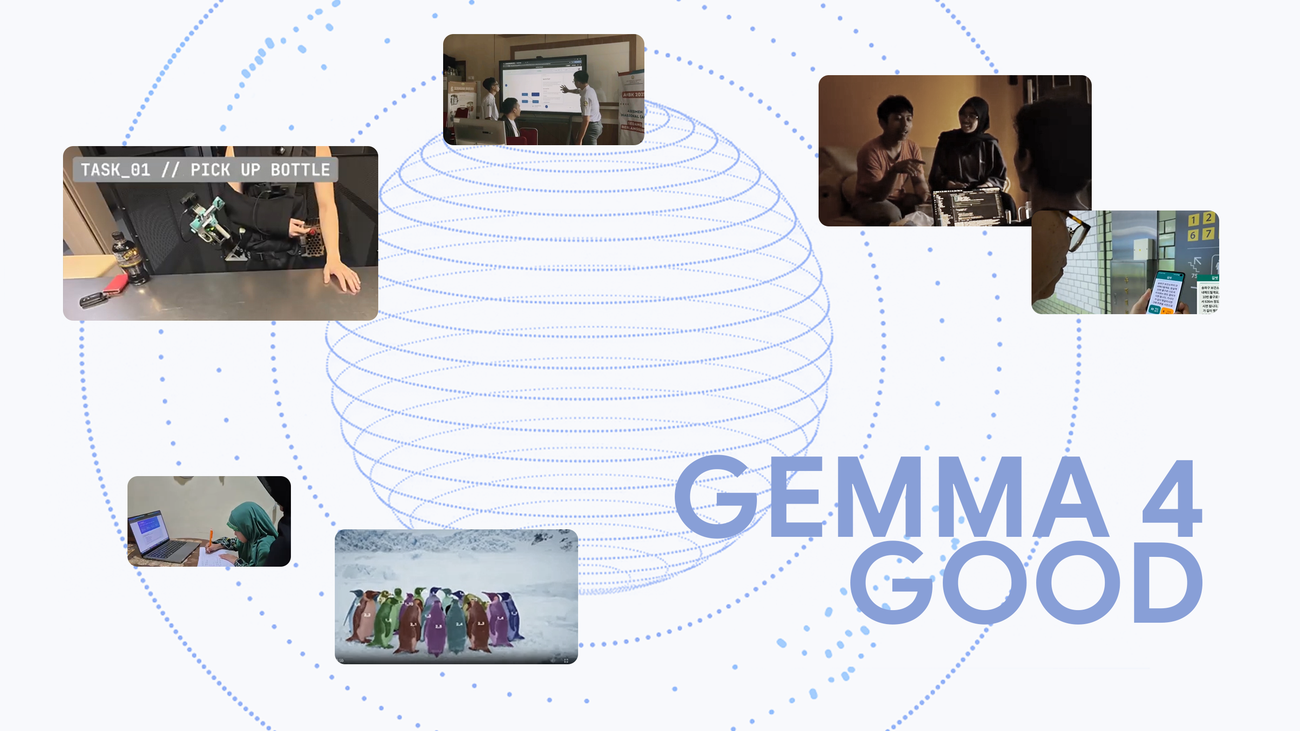
Google's fresh Gemma 4 Good Challenge winners are a useful signal for anyone choosing AI apps in 2026: the most valuable tools are not the loudest demos, but the ones that solve a specific human problem, explain their limits, and fit into a real workflow. The announcement highlights developers building with Gemma for education, health, accessibility, climate, crisis response, and local community needs. For BTTC readers, the practical lesson is simple: before downloading or trusting a new AI tool, evaluate its purpose, evidence, privacy model, offline behavior, and handoff to human judgment.
Why Gemma 4 Good is a search-worthy topic now
Google published a new overview of the Gemma 4 Good Challenge winners on August 24, 2026. The article is timely because open AI models are moving from research notebooks into consumer apps, classroom tools, accessibility workflows, local government pilots, and small-business software. At the same time, users are overloaded with AI product launches that promise productivity but rarely explain what makes them safe or useful.
That tension creates search demand around questions like "best AI apps for good," "how to evaluate AI tools," "Gemma apps," "open model AI applications," and "safe AI software checklist." It also fits BTTC's audience because many readers arrive while comparing apps and utilities. If you are exploring downloads, the BTTC software catalog is a natural next step after learning what quality signals to look for.
What the challenge says about practical AI
The most important message is that practical AI starts with a narrow job. A strong AI-for-good project does not begin with "add a chatbot." It begins with a specific friction point: helping a learner understand a concept, translating information for a community, assisting a person with accessibility needs, summarizing complex instructions, or making expert knowledge easier to use. Gemma matters here because open-weight models can be adapted, inspected, and deployed in ways that are harder with closed black-box services.
Google's related explanation of full-stack AI is also relevant. A useful AI product is not just a model. It includes data handling, safety checks, user interface design, latency, deployment, evaluation, and feedback loops. When any layer is weak, the product can feel impressive in a demo but unreliable in daily use.
A five-point checklist before you download an AI app
First, identify the exact task. If the app claims to help with "productivity" or "wellness" without naming a concrete workflow, treat that as a warning sign. Good software should say what it does, who it helps, and when it should not be used.
Second, look for evidence. Screenshots, example outputs, evaluation notes, documentation, and transparent limitations are more useful than vague claims. For AI tools that affect health, finance, schoolwork, or accessibility, evidence matters even more.
Third, inspect permissions and privacy. Does the app need contacts, files, microphone access, location, or account integration? Does it explain how prompts and uploaded data are stored? If you cannot tell where your data goes, avoid using the tool for sensitive work.
Fourth, test reversibility. A good AI app lets you review, undo, export, or ignore its suggestions. A risky app silently edits files, sends messages, changes settings, or makes decisions without a visible checkpoint.
Fifth, check whether the app can work inside your real routine. A powerful model is not enough if the interface is confusing, translations are incomplete, or the tool only works on a platform you do not use.
How AI-for-good lessons apply to everyday software discovery
Most people will not download a research prototype from a challenge page. They will download productivity apps, PDF tools, launchers, note takers, media utilities, and AI assistants from app stores or software directories. The same evaluation habits still apply. Ask whether the app reduces a real burden, whether it gives you control, and whether it earns the permissions it requests.
This is where a curated directory can help. Instead of jumping from a viral post straight to an install button, compare categories, update history, platform support, and source links. BTTC's blog guides and software pages are designed to connect technology trends with practical tool choices, especially for users who want useful apps without getting trapped by hype.
FAQ
Is Gemma 4 Good only relevant to developers?
No. Developers build the projects, but the lessons are useful for anyone choosing AI software. The winning pattern is clear: start with a real user need, add AI only where it helps, and keep people in control.
Are open models automatically safer than closed AI services?
Not automatically. Open models can improve transparency and local customization, but safety still depends on data handling, testing, permissions, interface design, and deployment choices.
What should I do before installing a new AI utility?
Read the source page, check permissions, look for examples, test with non-sensitive data first, and compare alternatives in a trusted catalog such as https://www.bttc.site/software.
Conclusion
Gemma 4 Good is more than a showcase of clever projects. It is a reminder that durable AI software solves specific problems, respects user context, and proves value beyond a launch headline. Use that standard the next time an AI app asks for your time, data, or downloads.