Google Credentio and C2PA: What to Check Before Downloading AI Media Tools
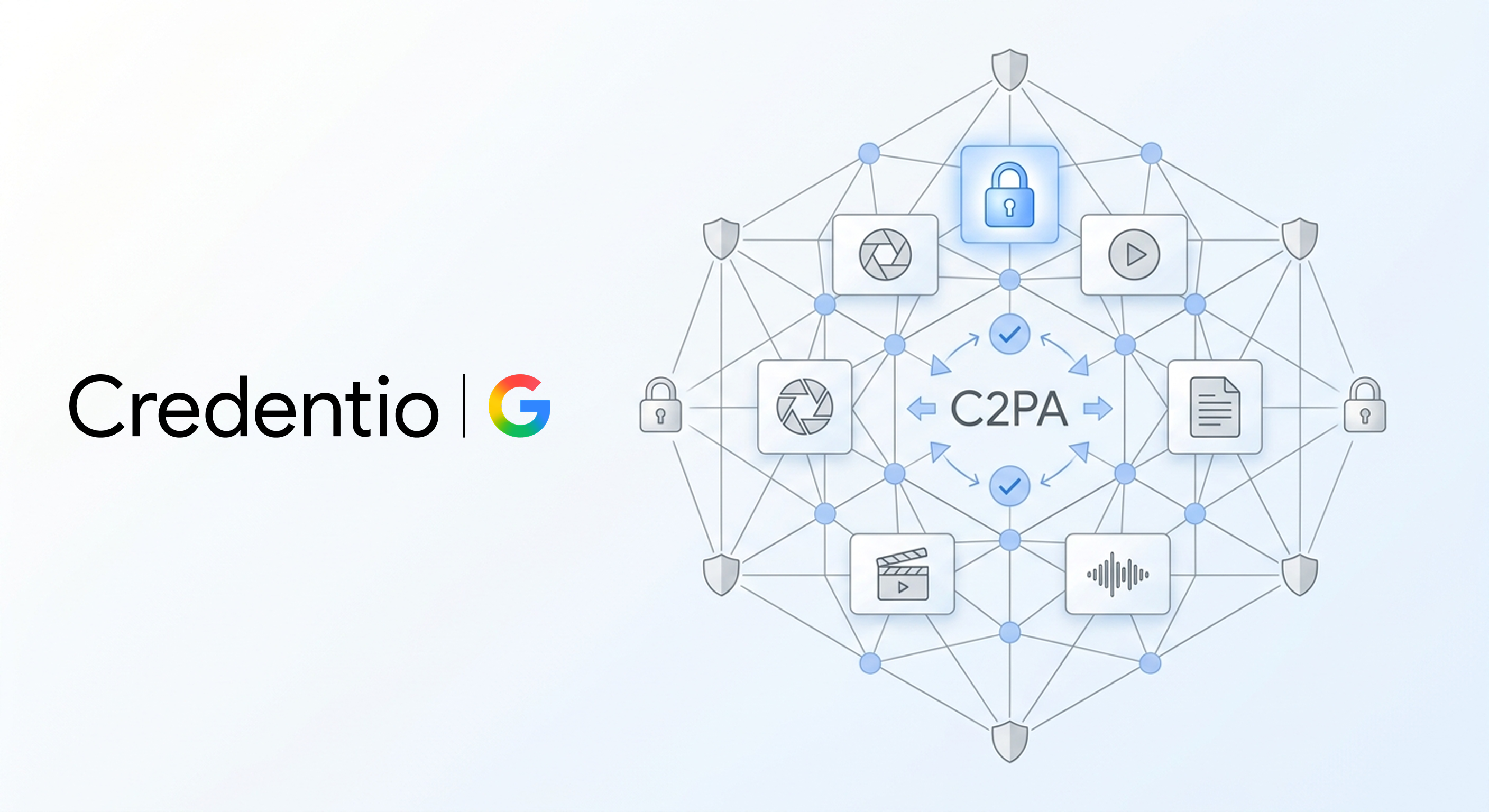
Google’s open-source Credentio library makes C2PA Content Credentials easier for developers to add to media software. Here is why provenance should influence your next AI, image, video, PDF, or creator-tool download.
In This Article
This article covers Google Credentio and C2PA: What to Check Before Downloading AI Media Tools. Google’s open-source Credentio library makes C2PA Content Credentials easier for developers to add to media software. Here is why provenance should influence your next AI, image, v...
Key Takeaways
- Published: August 17, 2026
- Category: Trending Technology
- Tags: AI, Software Trust, Media Provenance, Developer Tools, C2PA
- Views: 299
- Reading time: ~14 min read
"Google’s open-source Credentio library makes C2PA Content Credentials easier for developers to add to media software. Here is why provenance should influence your next AI, image, video, PDF, or creator-tool download."
TL;DR
Google has introduced Credentio, an open-source C++ library for working with C2PA Content Credentials. The announcement matters because trust signals are moving from policy pages into the files themselves: photos, videos, documents, and AI-generated assets can carry signed provenance data that tells users where a media item came from and how it was edited. For anyone downloading creative software, AI image tools, PDF utilities, screen recorders, or media managers, content credentials are becoming a practical feature to check before installing another app.
Why Credentio is a timely trust signal
The internet is entering a phase where people no longer ask only whether an image looks real. They also ask whether the file can explain its own history. Google’s post on Credentio places that question in the hands of developers by releasing a C++ library designed around the Coalition for Content Provenance and Authenticity standard. The C2PA specification describes a way to attach cryptographically verifiable claims about creation, edits, tools, and signers to digital media.
That sounds technical, but the user benefit is simple. A newsroom can preserve editing history. A marketplace can reject suspicious product images. A creator can show that an illustration was generated with an AI tool and then edited in a specific workflow. A developer can add provenance support without inventing a one-off metadata format. The more tools adopt a shared standard, the easier it becomes for users to compare software on trust instead of relying on marketing copy.
What Content Credentials actually do
Content Credentials are not a magic detector for fake media. They are closer to a signed receipt. A compatible tool can create a manifest that says what happened to a file, which application performed the action, and which identity or certificate signed the claim. Later, another compatible viewer can inspect that manifest and decide whether it trusts the chain.
This difference matters for buyers and downloaders. AI detectors often produce probabilities, and those probabilities can be wrong. Provenance records are narrower but more actionable: they answer questions such as which app exported this image, whether the file was cropped or color-corrected, and whether the credential chain remains intact after sharing. When evaluating a tool from the BTTC software directory, that kind of evidence should sit beside familiar checks like platform support, update history, permissions, and privacy policy.
Why developers should pay attention
Credentio is especially interesting because it targets implementation friction. Media provenance cannot become normal if every application team must build cryptographic packaging, manifest parsing, and interoperability tests from scratch. A reusable library gives desktop apps, mobile SDKs, backend processing services, and media pipelines a more realistic path to support C2PA without turning provenance into a year-long side project.
For developers building AI or creator tools, the opportunity is bigger than compliance. Content credentials can become a product feature. Imagine a screenshot utility that preserves provenance when annotating bug reports, a document converter that keeps audit trails through PDF export, or an AI image editor that discloses model-assisted changes inside the output file. These features can reduce support disputes, improve enterprise adoption, and help responsible tools stand out in crowded app stores.
How to evaluate software for provenance readiness
When a new image, video, or document app claims to be AI safe or authenticity ready, use a concrete checklist. First, ask whether it supports a public standard such as C2PA rather than a private database that only works inside one vendor’s ecosystem. Second, check whether credentials survive common actions: export, compression, resizing, cloud sync, and social sharing. Third, look for transparent documentation that explains what is signed, what is not signed, and when credentials may be removed.
Fourth, test the workflow with non-sensitive files before trusting it with client work. Fifth, compare alternatives rather than installing the first popular tool. BTTC readers can start with the broader blog for technology explainers and then move to software discovery when they need practical utilities. The best choice is rarely the flashiest AI feature; it is the tool that fits your workflow while keeping evidence intact.
Practical checklist before you download a media or AI tool
- Does the tool support C2PA or another open provenance standard?
- Can it read existing Content Credentials, write new ones, or both?
- Does the vendor explain how signatures, edits, and exports are handled?
- Are credentials preserved through the formats you actually use, such as PNG, JPEG, MP4, or PDF?
- Does the app ask for unnecessary permissions compared with its purpose?
- Can you verify output in another independent viewer?
- Is there a clear update history and trustworthy source for downloads?
FAQ
Is Credentio only for Google products?
No. Google describes Credentio as an open-source C++ library. Its value depends on broader adoption by applications, services, and workflows that want to create or inspect C2PA-compatible credentials.
Do Content Credentials prove that media is true?
No. They can provide signed information about origin and editing history, but they do not prove that the depicted event happened or that every claim is trustworthy. They are evidence, not a replacement for judgment.
Should normal users care when choosing software?
Yes, especially if they download tools for AI images, documents, screenshots, video editing, publishing, or client work. Provenance support can make files easier to audit later and can help teams avoid tools that strip important trust metadata.
Conclusion
Google Credentio is a developer announcement with consumer consequences. As AI-generated and heavily edited media becomes normal, software will be judged not only by what it can create but also by what it can prove. Before downloading the next creative or AI utility, look for open provenance support, transparent documentation, and a workflow that keeps credentials intact from creation to export.